
Teens are aware of real threats to their well-being. They also now have access to information and tools for coping.
The incidence of anxiety and depression in adolescents has been rising in recent years, and no wonder. There has been an increase in genuine threats to their feelings of safety and well-being.
At the same time, this generation of teens has access to information and tools to help them put their feelings into words.
This can create a disconnect between what teens are saying and what parents and health care providers are expecting to hear. Here, we share some takeaways from a conversation with Vanderbilt Health mental health experts to help young people who may be struggling with their own mental health — or their parents or caregivers who are trying to help a loved one in need.
To listen to the conversation in full, be sure to tune into Episode 28 of the Vanderbilt Health Affiliated Network’s miniVHAN podcast, and follow along for more episodes about mental health.
Q: Can you give us some context around the significance of anxiety and depression, specifically in younger children and adolescents?
A: “It feels like everybody is coming in with some symptoms of depression and anxiety and the related disorders that can come along with them, from autism spectrum to ADHD,” said Susan O’Hara, MSW, LCSW, a Vanderbilt Health social worker and clinical counselor. “We also see huge amounts of trauma, whether it’s grief or loss or displacement from schools. The pandemic had a huge impact on this population.”
“Years ago, we talked about anxiety as it related to schoolwork and performance. That is still in the mix, but now, we have existential crisis. Children are wondering if they are going to be safe in the world. We see heightened anxiety levels related to germs, safety, health, threat and violence in school and bullying. This soup that they are sitting and stewing in is so huge,” O’Hara said.
Q: There are cultural changes that are affecting mental health in a negative way. Are there positive cultural shifts too, with more people talking about anxiety and depression?
A: “We have kids that are so well informed.
Sometimes, they are informed, but it is not quite on target. We also have kids who have diagnosed themselves through social media. This is their way of figuring themselves out. Sometimes it’s not right, but the fact that they’re looking and trying to find other people to connect with is great,” O’Hara said.
“In the past, people with social anxiety might have never left their room or met other people. Social media allows them to feel deep and close connections. We try to build on those online connections and work with them to add in-person connection too. I think we’re problem-solving with them, and they know a lot. This is a world where they have all this access.”
Q: How can a parent know whether a teen’s symptoms are anxiety or depression that needs attention, or just a typical developmental change in mood?
A: “There are different measures, but I think it is individual. They’re clear on clinical depression guidelines, but kids being sad can look different,” O’Hara said. “If you ever hear a child saying they wish they didn’t wake up or don’t want to be here, those are words that you want to explore. Ask what do you mean by that? Why are you having that feeling? They may not be able to put it into words, so ask them to tell you more about that.”
Q: Are there new trends that you find hopeful?
A: “Online therapy tools can be helpful as children get older. They can also be helpful for kids who have trouble leaving the house and have phobias or anxiety,” O’Hara said. “Since health care access is such a problem, that is a hopeful element for the future, just by making it more convenient.”
Q: What are some things to consider, when you’re transitioning to adulthood, whether as the patient or as a care provider?
A: “It’s a fine line to navigate. When (patients) are younger, we land on the side of safety over privacy and full independence. The more open each party can be with each other, the easier it is to go forward,” O’Hara said. “As they’re becoming young adults, anxiety is always trying to get us to avoid doing things. It is learning the window of tolerance. If they can tolerate a little bit of anxiety, whether it’s going to college or getting a job that feels manageable, then you can work on reasonable expectations. Acknowledge that it is terrifying, and you can do it.”
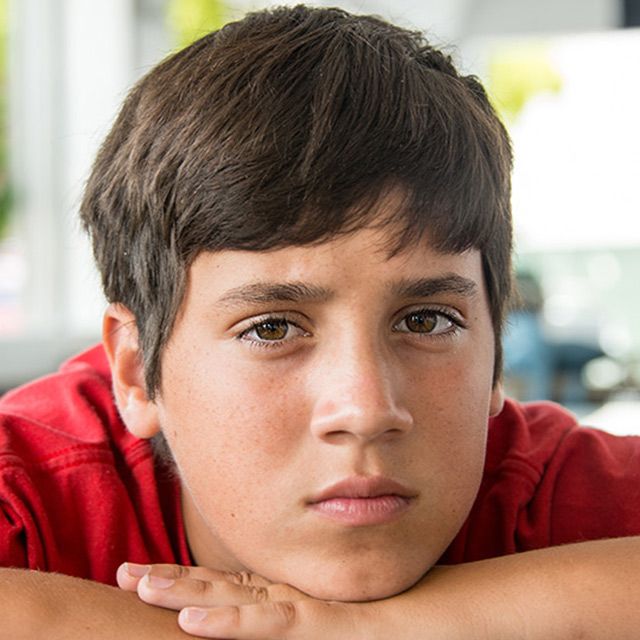
If your teen is struggling
Vanderbilt Health’s Adolescent Behavioral Health programs care for patients ages 13 to 17 who have emotional or behavioral health problems. We offer a full range of inpatient, outpatient and partial hospitalization care options, and school-based counseling services. The personalized, compassionate approach of our board-certified child and adolescent psychiatrists and other highly trained mental health professionals helps teens thrive at home, school and work.