Learn what to expect after you’ve had bowel surgery.
Colorectal (or bowel) surgery is a common treatment for a variety of conditions, including colorectal cancer. While the idea of surgery can feel overwhelming, knowing what recovery looks like can help you feel more prepared and at ease. Healing takes time, and understanding what to expect along the way can support both your physical and mental health
Right after surgery
When the surgery is done, you’ll be taken to the postanesthesia care unit. Your health care team will keep track of your blood pressure, heart rate, breathing and surgical areas while you wake from anesthesia. You’ll also get pain medicine as needed to keep you comfortable.
If you have a urinary catheter, it will likely be taken out shortly after surgery.
Recovery in the hospital
You’ll be moved from the postanesthesia unit to a regular hospital room when you’re stable and the anesthesia has worn off. You’ll then be watched closely to be sure you’re healing well. Your hospital stay may last from a few days to a week or longer. Everyone is different, and how long you stay in the hospital will depend on your body’s healing.
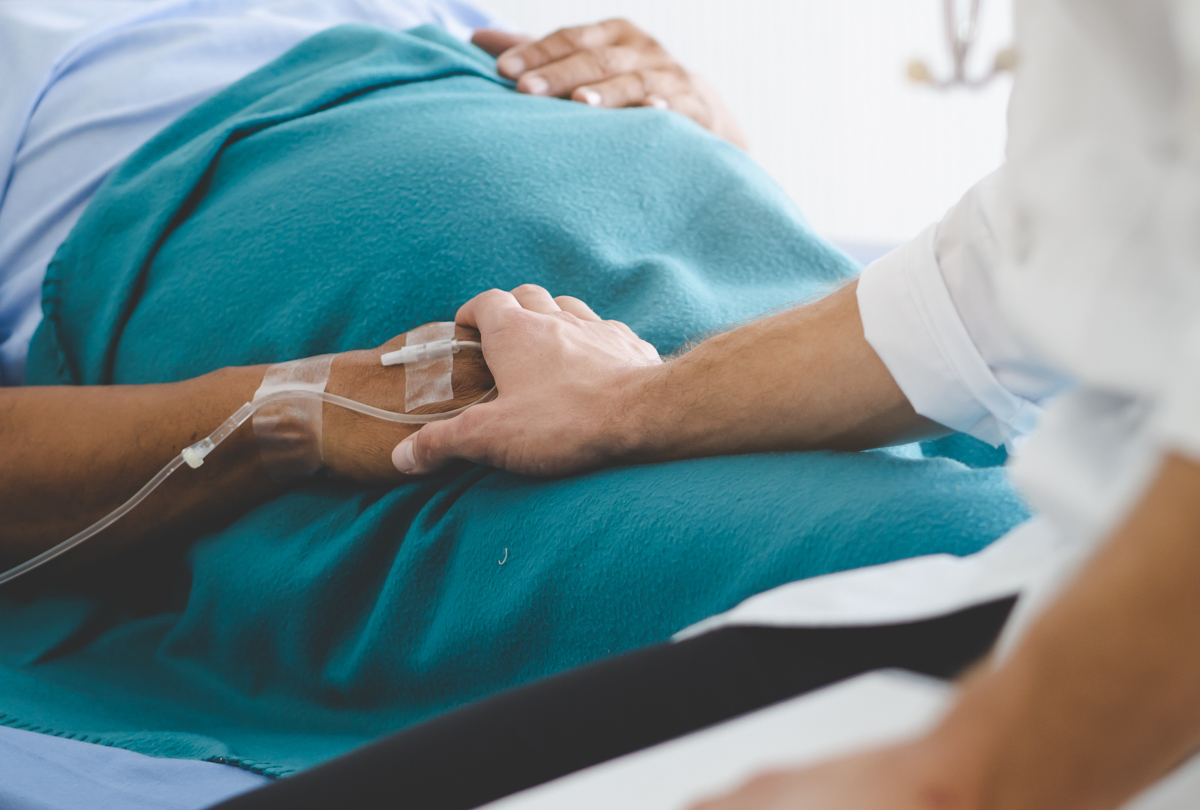
During the surgery, you’ll have an intravenous (IV) line for fluids and medications. This is a small, flexible tube that’s gently inserted into a vein, usually in your hand or arm. It will stay in place for a few days to continue to give you fluids and medicines. You will continue to receive pain medicines from the IV until you are able to take pain pills by mouth if needed.
Soon after surgery, you’ll be up and walking around. This helps improve blood flow and prevent blood clots. It also helps your bowels get back to normal, and will help prevent a bowel slowing or blockage. Your health care team will listen to the sounds in your belly — your “bowel sounds.” This is to make sure your bowels are starting to work normally.
You’ll be given breathing exercises to keep your lungs clear and prevent infection.
Stoma care
If a stoma (ostomy) was made during surgery, your doctor or ostomy nurse will show you how to care for it.
A stoma is a small opening created during surgery to allow waste to leave the body. This might be necessary because the bowel needs time to heal or has been removed. Waste (stool and mucus) passes into a special pouch worn on the outside of the body. Some stomas are temporary and some are permanent. It depends on your situation.
Eating again
In some cases, you may need to wait to eat. But many times, you can start eating lightly soon after surgery. This is part of a program for faster recovery. It’s called enhanced recovery after surgery.
Recovering at home
Once you are home, follow any instructions you were given to help make sure you have a full recovery. In most cases, you’ll visit your health care provider shortly after leaving the hospital. You can get back to your normal routine up to a month after surgery. This depends on your situation. Full recovery may take four to six weeks or longer.
While your body heals, you may tire more easily. You are also likely to have some bloating. Loose stools and more frequent bowel movements are also common. This may get better over time, but it may never fully go away. It will depend on the type of bowel surgery you had and the specifics of your situation.
Getting back to your everyday activities
Being active helps your body heal. But you need to protect your surgical incisions as they heal. Make sure you:
- Walk as much as you feel up to.
- Don’t do any heavy lifting or vigorous exercise until your health care provider says it’s OK. Follow your provider’s advice about climbing stairs and bathing.
- Don’t drive right away. Wait until you’re no longer taking pain medicines. Also, wait until you can readily press down on the brake pedal.
When to call your doctor
Contact your health care provider or get medical care right away if you have:
- A fever of 100.4 F (38 C) or higher or as directed by your provider.
- Chills.
- Nausea or vomiting that doesn’t get better.
- Unusual redness, swelling, drainage or pain around your incision.
- Leg pain, redness or swelling.
- Unexpected diarrhea, or if you have not passed gas or had a bowel movement for 24 hours.
- Belly swelling that gets worse or doesn’t go away.
- Pain in the belly or around the stoma that lasts or gets worse.
When to call 911
Call 911 if you have:
- Trouble breathing.
- Chest pain.
- A large amount of bleeding from your rectum or the surgery site.