Winter weather can get dangerous quickly — here’s how to be ready and stay safe.
We Southerners like ice in our tea, but not on our roads or in our water pipes. Unfortunately, we can’t control Old Man Winter. That’s why it’s important to stay alert to weather advisories and be prepared for those icy, snowy days.
Stay away from icy winter traffic
Winter weather is intermittent in the Mid-South. That’s why cities such as Nashville and Atlanta don’t have strong snow infrastructure, like extra snowplows or salt trucks, to handle big surprises. Listen to the news and heed advisories not to travel in hazardous conditions unless necessary.
Create a winter safety kit
Keep a winter survival kit in your vehicle in case you do get caught in an ice- or snow-pocalypse that traps folks in gridlock. At the minimum, stash a blanket, jug of water, energy bars, gloves and hat. Cat litter works great for traction in case you slide into a ditch. A snow shovel might come in handy, too. For a more comprehensive kit (necessary if road tripping to a northern climate), check out this list from the National Weather Service. If you stall out in extreme cold, stay with your vehicle until help arrives.
Shovel safely
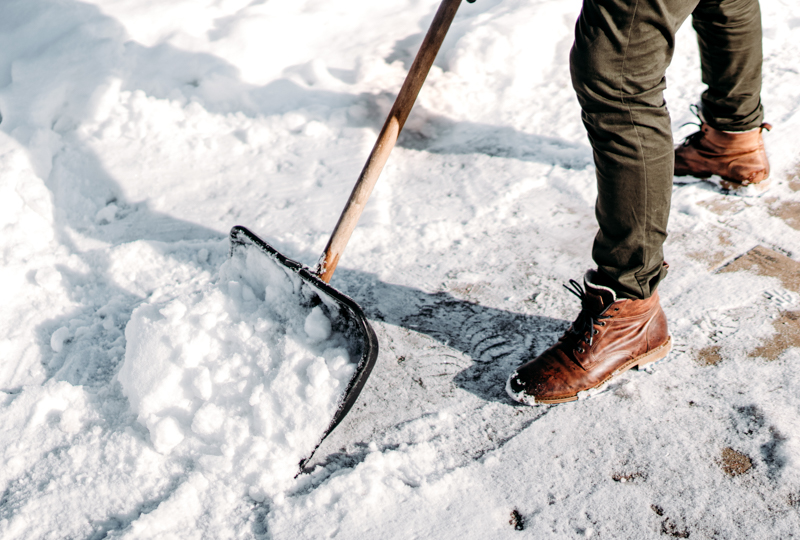
If you have cardiovascular disease, the American Heart Association warns you to be careful when shoveling snow. The combination of sudden exertion — like lifting a shovel full of heavy snow — and cold weather can strain your heart. Take frequent breaks while shoveling and dress in layers of warm clothing. Be sure you know the heart attack warning signs and listen to your body.
Avoid sledding injuries
Look for gently sloping hills that level out at the bottom, allowing sleds to safely stop. Ensure your sledders wear helmets to avoid head injuries and instruct them to sit atop the sled with their feet pointing downhill — never headfirst. Dress warm, with hats, gloves and heavy boots to protect extremities, but leave the dangling scarves at home.
Beware of carbon monoxide hazards
More than 420 people die every year in the United States from carbon monoxide poisoning, and thousands are sickened by this colorless, tasteless and odorless gas.
“When temperatures dip, people use alternative heat sources that could be damaging,” said Stacey Pecenka, MPH, manager of the Pediatric Trauma Injury Prevention Program at Monroe Carell. “There are many ways that carbon monoxide can enter a home or place of business, especially during the winter months.”
Carbon monoxide is a by-product of the combustion of hydrocarbon fuels, which include propane, coal, gasoline and natural gas.
Other sources include room heaters, furnaces, charcoal grills, cooking ranges, water heaters, cars and portable generators.
Carbon monoxide can be safely vented most of the time, but misusing or not maintaining the sources can lead to unsafe levels in the air.
“Children are at a higher risk for carbon monoxide poisoning, often processing it differently than adults and are often the first affected by the gas and can suffer severe effects,” said Pecenka.
Signs of poisoning include headache, dizziness, sleepiness and nausea. If symptoms affect more than one person, a carbon monoxide leak or exposure should be considered. Those affected should immediately get fresh air.
The Tennessee Poison center is a resource for suspected carbon monoxide poisoning at 1-800-222-1222. However, if anyone has loss of consciousness, confusion, seizures, difficulty or has stopped breathing or has chest pain, call 911.
Prevent frozen water pipes
Water pipes aren’t buried as deep in the South and they often aren’t as insulated in homes as they are in northern regions. If forecasters predict temps to drop below freezing, turn on a faucet to a slow trickle or drip, to let water move through the pipes and resist freezing.
Be prepared for excessive snow and ice
Keep a few water jugs on hand throughout the winter just in case you end up with frozen pipes on a day the roads are iffy. Pay attention to weather forecasts and keep the pantry and fridge stocked, too. That way you won’t be part of the crowd scrambling to buy eggs, milk and bread at the last minute. Outages are common when ice weighs down power lines, so make sure you have devices charged and flashlights handy.