The signs of cholangiocarcinoma, a rare bile duct cancer, typically go unnoticed at first. Read one patient’s story and what to know.
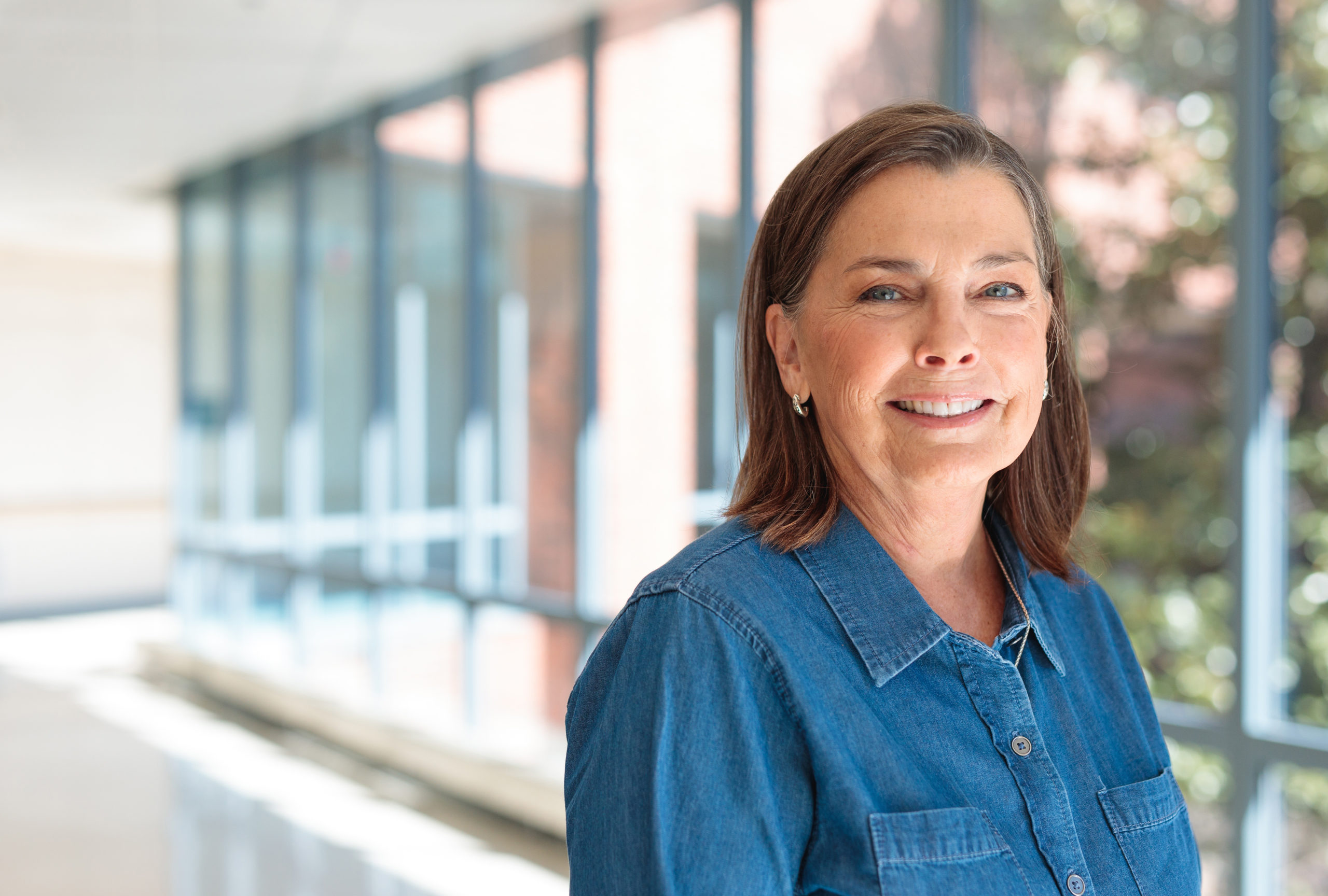
Over the last decade, Anne Wolfe witnessed her son get married, took a big trip out West, went on a once-in-lifetime European excursion, and made a new life in a new hometown with a church she appreciates.
“Those are 10 years I never thought I’d see. It’s unbelievable. It’s still unbelievable when I stop sometimes to think about it,” said Anne, now 72.
Anne gives credit to a second opinion at Vanderbilt-Ingram Cancer Center. The retired schoolteacher and Bowling Green, Kentucky, resident underwent treatment in 2015-2016 in Nashville after diagnosis of cholangiocarcinoma, a rare bile duct cancer.
Today, she feels great. Long in remission, Anne is celebrating that 10-year mark, traveling and enjoying the changing of the seasons.
Signs of cholangiocarcinoma
Anne’s first symptoms began with what felt like a pulled muscle in her side when she went to bed at night and slowly evolved into stomach issues and pain when she ate.
“It felt like a small stitch in my side,” she said. “It wasn’t something I thought much about. Over that summer I started having stomach issues. Everyone thought it was my gallbladder, but none of the tests pointed to that.”
Her ultimate diagnosis was cholangiocarcinoma, often considered a silent disease because its symptoms can be vague and look like other conditions.
Cholangiocarcinoma is cancer that originates in the bile ducts, which connect the liver, gallbladder and small intestine. The cancer is considered rare, with 8,000 people in the U.S. diagnosed annually, and signs and symptoms of the disease typically go unnoticed until it reaches advanced stages. Similar to pancreatic cancer, cholangiocarcinoma is aggressive, making early treatment important.
A second opinion
Anne first came to Vanderbilt-Ingram Cancer Center in the fall of 2015. Back home in Kentucky, her symptoms had intensified, prompting the removal of her gallbladder at another hospital and the discovery of the cancer. A biopsy revealed the malignancy, and she underwent life-saving treatment at Vanderbilt in 2015-2016.
Surgery is an option for cholangiocarcinoma if the tumor can be removed completely and if the disease has not spread. Dr. Kamran Idrees, now chief of Surgical Oncology and Endocrine Surgery at Vanderbilt-Ingram Cancer Center, says surgical treatment is not always clear-cut.
Anne’s cancer involved most of her liver, so he had to figure out how to remove the entire tumor while leaving enough liver behind to not cause liver failure. He and a team of colleagues devised a plan for blocking blood flow and nutrients from getting to the diseased portion of her liver, which set the stage for the smaller healthy portion to regrow.
“When she originally presented, the tumor was involving the right side of the liver,” Idrees said. “It comprised nearly 70 percent of the organ. The fascinating thing about the liver is — it is the only internal organ that can regenerate.
“But if I had resected the organ at the time she presented, we were looking at taking nearly 80 percent of her liver to ensure that we removed all of the tumor.”
Idrees said it’s possible to live with 20 percent of the liver, if that portion is completely normal. “It was imperative that we not only removed the entire tumor with margins, but that we gave the keeper (remaining) side of the liver a chance to regenerate,” Idrees said.
Idrees asked for help from Dr. Daniel B. Brown, now chair of Radiology and Radiological Sciences with Vanderbilt Health.
Working together, Idrees and Brown’s team created a 3D model of Anne’s liver to calculate the total volume that would remain after surgery. That introduced another option that allowed Idrees to move forward with surgery: radioembolization with Yttrium-90 (90Y).
Radioembolization is a minimally invasive procedure that combines radiation therapy and the ability to block blood vessels to prevent blood flow and growth of the cancer cells in the liver.
“This technique served two purposes,” Brown said. “We were able to treat the tumor in the right side of the liver by infusing tiny beads with embedded radioactive isotope 90Y inside the blood vessels feeding the tumor. This kept the tumor in check. It also blocked the blood supply to that portion of the liver, which in turn allowed the left side of the liver to grow in response.
“Basically, we shrank the tumor on the right side while the healthy side increased in size. Our efforts were an example of a unique collaboration between surgical and interventional oncology at Vanderbilt with the No. 1 patient benefit.”
Idrees successfully performed Anne’s surgery on Feb. 8, 2016.
Today, she follows the work of these physicians. “I’ve seen stories on Dr. Idrees and I love reading them. He’s done some great things and he’s special in my book. Dr. Brown is, too.”
Anne’s medical team explain her high-tech treatment in this video:

When, where to seek help
Since Anne’s treatment, Vanderbilt-Ingram Cancer Center has continued to innovate. Among advanced treatments is robotic liver and bile duct surgery, with the team having experience in more than 650 robotic surgeries so far. Vanderbilt Health also recently performed its 100th histotripsy, a noninvasive procedure in which highly focused ultrasound waves are directed at liver tumors to destroy cancer without making an incision. Vanderbilt-Ingram Cancer Center is among the first to offer this treatment.
Anne now says she must stop and think about her treatment a decade ago, because she has her life back fully, just like before, only now with more spring flowers and a daughter-in-law she loves. “I don’t feel like somebody who had cancer.”
The National Cancer Institute lists these and other signs and symptoms that may be caused by bile duct cancer or by other conditions:
- Jaundice (yellowing of the skin or whites of the eyes)
- Dark urine
- Clay-colored stool
- Pain in the abdomen
- Fever
- Itchy skin
- Nausea and vomiting
- Weight loss for an unknown reason
It’s important to check with your physician if you have any of these symptoms. Having colitis or certain liver diseases can increase the risk of cholangiocarcinoma; people who think they may be at risk should also discuss risk factors with their doctors.
Early detection is critical and so is one other thing: Anne offers one piece of advice for those facing a diagnosis like hers, based on the gratitude she and her husband David have for the friend who pushed them to go to Vanderbilt.
“I’ve encouraged people so many times: Get a second opinion. There are other places that can offer you more.”
Getting a second opinion led to a far better outcome than Anne expected, as she explains in this video:

Expert Cancer Care
The Vanderbilt-Ingram Cancer Center is a national leader in patient care and research. Vanderbilt offers the region’s most complete range of oncology care, from advanced imaging to team-based treatment options to genetic cancer medicine and the latest in therapies being studied in clinical trials.