So many plant foods provide fiber. Here’s a primer on this basic nutrient.
Many people know fiber is an important part of a healthy diet, but what exactly is fiber, what are the different types of fiber and why is it so important?
Fiber is the part of a plant that your body cannot digest or absorb. It is best-known for helping keep your digestion moving, but it’s also good for heart health and weight loss.
There are two types of fiber:
- Insoluble fiber is commonly found in whole grains like brown rice and barley, and in vegetables such as broccoli and cabbage. It does not dissolve in water. Insoluble fiber increases the bulk of your stool, and helps move partially digested food through the intestines. In other words, fiber helps keep you “regular,” avoiding constipation, by adding weight to and softening the stool. This may also help decrease the chances of having colon cancer and a painful form of inflammation called diverticulitis.
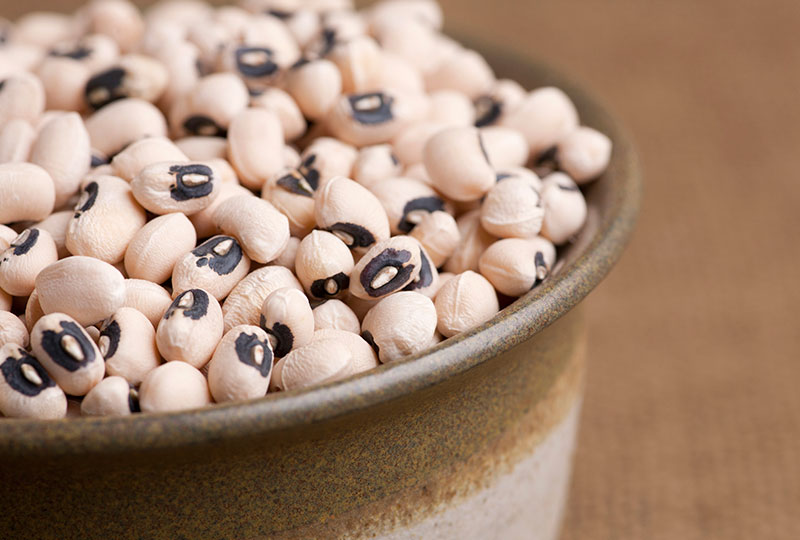
- Soluble fiber dissolves in water and is commonly found in oats, fruits, vegetables (artichokes, carrots, celery and cucumbers), beans, peas, lentils, nuts and flaxseed. It helps lower LDL (bad) cholesterol and may help reduce blood pressure and inflammation. Fiber also slows the absorption of sugar, to help prevent blood sugar spikes. Eating enough soluble fiber can help prevent diabetes.
Both types of fiber help with weight management. Eating fiber often makes people feel full for longer periods of time. Soluble fiber slows down absorption. Insoluble fiber adds to the bulk of food. Foods containing fiber also tend to have fewer calories and take longer to chew. That gives your brain a chance to realize you are full before you’ve eaten too much.
Avoid taking in much added fiber from processed foods, however. In excess, they can cause side effects like bloating, gas, cramping and diarrhea. You can find these added fiber ingredients on the nutrition label – examples include inulin and chicory root extract.
What is the right amount of fiber for a healthy diet?
According to the National Academy of Medicine, women under age 50 need 25 grams of fiber each day, while men under 50 need 38 grams. Over age 50, women need 21 grams and men need 30.