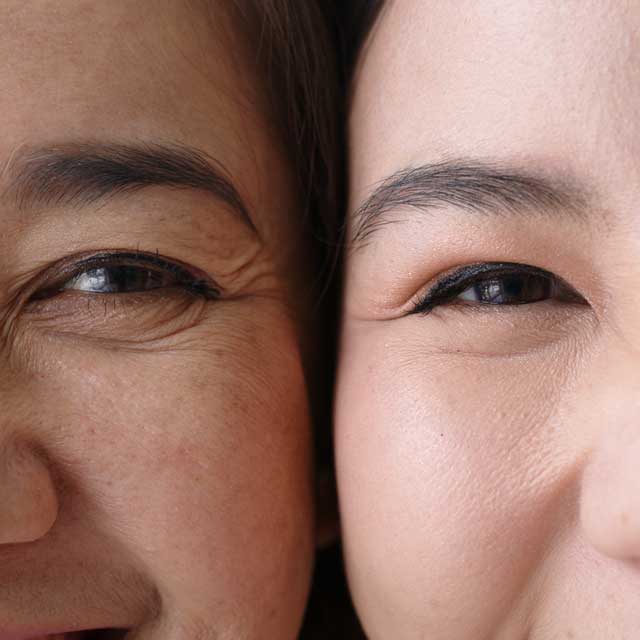
Spring can be tough on the eyes. Learn how to protect them.
For the past few months, most of the nation has donned hats, boots, scarves and gloves during the cold and icy conditions of winter.
As temperatures rise, making outdoor activities more enticing, ophthalmologists at the Vanderbilt Eye Institute suggest not to hurry to throw out the habit of protecting yourself from the elements.
Why?
March is known as the windiest month of the year.
Changes in our indoor and outdoor environments affect our eyes all year, said Dr. Nathan Podoll, assistant professor of Ophthalmology and Visual Sciences at Vanderbilt Health.
“A fan indoors, or a blustery day outside, causes our tears, which normally lubricate and protect the surface of the eye, to evaporate more quickly,” said Podoll. “Our cornea is a very sensitive part of our body, and when our tears evaporate more than usual, the exposed surface of the eye becomes dry.
“This results in a sensation of irritation and something touching the surface of the eye.”
Dry eyes often cause irritation, prompting the impulse to rub away the itchiness. Resist the reflex to rub, Podoll urged.
“Eye rubbing adds an additional insult to the surface of the eye and to the surrounding eyelids and facial skin,” he said. “Instead, use lubricating ophthalmic solutions known as artificial tears. These drops will add back the moisture lost to evaporation and are soothing to the ocular surface.”
Additional ways to protect your eyes
Podoll offers more tips for keeping eyes comfortable and healthy in windy weather:
- Don’t resist blinking, but pay attention to the urge to blink. Blinking is the body’s way of re-establishing tears. It is a sign of dry eyes and the need for a lubricant.
- A gel drop is another option if the liquid tears are not effective. The gel form stays on the surface of the eye longer.
- Wear glasses to protect the eyes during windy conditions.
- Wear a cap with a bill or a wide-brim hat to help shield the eyes.
Sunglasses and hats can help prevent ocular irritation and dry eyes – and also reduce your eyes’ exposure to UV light, which has its own negative effects on the eyes and skin.
“Spring is a troublesome season for those with seasonal allergies, which often causes eye itching and irritation, said Podoll. Eye redness, pain or a change in vision are all concerning signs that should prompt a visit to an eye doctor, he said.
This post was written by Jessica Pasley, a media relations officer with Vanderbilt Health.

Caring for eyes and vision
The team at the Vanderbilt Eye Institute treats a wide array of eye diseases that affect eye health and vision. Comprehensive care includes primary eye care, vision screening, surgeries for conditions such as glaucoma and cataracts, and other treatments and surgeries for disorders of the eye.